





Disability Scooters For Sale Near Me
Add a review FollowOverview
-
Founded Date diciembre 18, 1961
-
Posted Jobs 0
-
Viewed 4
Company Description
Who’s The World’s Top Expert On Mobility Scooter UK?
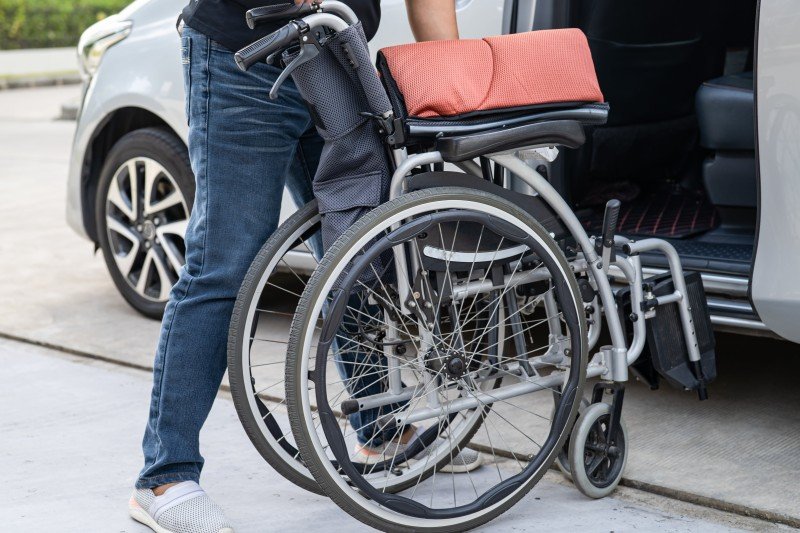
The Rise of Electric Mobility Scooters in the UK: A Comprehensive Guide
Electric mobility scooters have actually become an essential mode of transportation for numerous people across the UK, particularly among the elderly and those with specials needs. With the growing emphasis on accessible transportation, metropolitan Cheapest mobility scooters for sale, and environmental sustainability, electric scooters have acquired popularity and are now a typical sight on pavements and in neighbourhoods. This article will explore what electric mobility scooters are, their advantages, the types offered in the UK, factors to think about when acquiring, and regularly asked questions (FAQs) to assist readers make informed decisions.
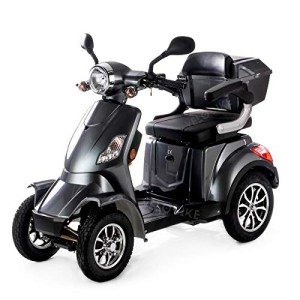
What are Electric Mobility Scooters?
Electric mobility scooters are battery-powered gadgets created to provide mobility to people with physical problems or impairments. These scooters enable users to browse metropolitan environments, run errands, and delight in trips without relying on public transport or caregiving help. Typically geared up with a comfortable seat, handlebars for steering, and a platform for foot placement, electric mobility scooters differ in size and ability.
Advantages of Electric Mobility Scooters
- Independence: Allowing people to travel separately without assistance.
- Availability: Designed to be user-friendly for individuals with varying physical capabilities.
- Economical: Reducing transport costs compared to taxis or public transportation.
- Sustainability: Electric scooters produce no emissions, making them an eco-friendly choice.
- Convenience: Easy to utilize for shopping, checking out buddies, and attending consultations.
Types of Electric Mobility Scooters Available in the UK
When considering an electric mobility scooter, it’s vital to comprehend the various types readily available. Below is a breakdown of the main classifications:
| Type | Description | Suitable For |
|---|---|---|
| Class 2 Scooters | Restricted to 4 mph and can be used on pavements. Light-weight and compact, often collapsible. | Brief journeys and regional errands. |
| Class 3 Scooters | Efficient in speeds up to 8 miles per hour, can be utilized on roads and pavements. Stronger and more powerful. | Longer journeys, consisting of road use. |
| Portable Scooters | These scooters can be broken down into smaller parts for easy transport and storage. | Travelling and users with minimal space. |
| Sturdy Scooters | Created for bigger users or those requiring additional support and improved weight capacity. | Users needing more resilience and stability. |
Factors to Consider When Purchasing an Electric Mobility Scooter
Acquiring an electric mobility scooter is a considerable investment that should be made with cautious factor to consider. Here is an extensive list of factors to remember:
- Size and Weight: Determine whether you will be using the scooter mainly inside your home or outdoors.
- Speed and Range: Consider how fast and far you require to go on a single charge.
- Weight Capacity: Ensure that the scooter can support your weight and any extra products you may carry.
- Comfort: Look for adjustable seats, armrests, and appropriate legroom.
- Surface: Assess the type of surface you will regularly navigate– smooth pavements, bumpy roadways, or steep hills.
- Battery Type: Evaluate battery life and whether it is simple to change when it uses out.
- Storage: Depending on your living circumstance, consider if you require a foldable design for easy storage and transportation.
- Cost and Warranty: Investigate your spending plan and the offered service warranties to guarantee you get a great deal.
Popular Electric Mobility Scooters in the UK
The UK market offers a variety of electrical mobility scooters accommodating different needs. Below is a list of some popular designs together with their functions:
| Model | Type | Max Speed | Range (per charge) | Weight Capacity | Cost Range |
|---|---|---|---|---|---|
| Pride Go-Go Elite | Class 2 | 4 mph | 10 miles | 136 kg | ₤ 1,200 – ₤ 1,400 |
| Invacare Colibri | Class 2 | 4 mph | 10 miles | 115 kg | ₤ 1,000 – ₤ 1,200 |
| Drive Medical Scout | Class 3 | 8 miles per hour | 20 miles | 136 kg | ₤ 1,500 – ₤ 1,800 |
| Kymco Maxi XLS | Class 3 | 8 miles per hour | 30 miles | 180 kg | ₤ 2,000 – ₤ 2,500 |
| Pride Jazzy Zero Turn | Class 3 | 4 mph | 15 miles | 136 kg | ₤ 1,800 – ₤ 2,200 |
Frequently Asked Questions (FAQ)
1. Do I require a license to drive a mobility scooter in the UK?
No, you do not require a license to run a Class 2 or Class 3 mobility scooter. Nevertheless, it is recommended to acquaint yourself with the roadway rules and guidelines.
2. Can I use my mobility scooter on the roadway?
Class 3 scooters can be utilized on the roadway, while Class 2 scooters are restricted to pavements and similar areas.
3. How quick can electrical mobility scooters go?
Class 2 scooters are limited to 4 miles per hour, while Class 3 scooters can reach speeds up to 8 miles per hour.
4. What is the typical series of an electric mobility scooter?
The variety depends upon the model but normally differs from around 10 miles to 30 miles per charge.
5. How do I keep my electrical mobility scooter?
Regular maintenance consists of examining the battery, cleaning up the scooter, and examining the tires and brakes. Refer to the maker’s manual for particular directions.
Electric mobility scooters supply a practical and efficient service for people requiring support with mobility. The range of alternatives readily available in the UK accommodates a variety of preferences and requirements. When thinking about purchasing a scooter, it’s vital to take into consideration elements such as size, speed, terrain, and budget to find the best fit. With the added advantages of independence and sustainability, electrical mobility scooters are making substantial contributions to improving the lifestyle for numerous users across the UK. Embracing this technology not just fosters a sense of empowerment however likewise enhances mobility in the modern metropolitan landscape.