





Cooker Hood Extractor Fan
Add a review FollowOverview
-
Founded Date octubre 30, 1984
-
Posted Jobs 0
-
Viewed 5
Company Description
13 Things You Should Know About Extractor Hood That You Might Not Have Known
The Ultimate Guide to Kitchen Extractor Hoods: A Essential Component for Your Cooking Space
When it concerns cooking delights, the kitchen is certainly the heart of the home. An essential yet often neglected appliance in this area is the kitchen extractor hood. Not only does it play a considerable function in keeping a clean and odor-free environment, however it also contributes to the overall functionality and style of your kitchen. In this thorough guide, we will check out the different kinds of kitchen extractor hoods, their benefits, installation processes, and maintenance pointers.
What is a Kitchen Extractor Hood?
A kitchen extractor hood (or range hood) is a gadget set up above the cooking surface area, generally the stove or cooktop. Its main function is to ventilate smoke, steam, grease, and smells produced throughout cooking by either recirculating air or tiring it outside. This not just keeps the kitchen air fresh however likewise secures the kitchen cabinetry and walls from grease buildup.
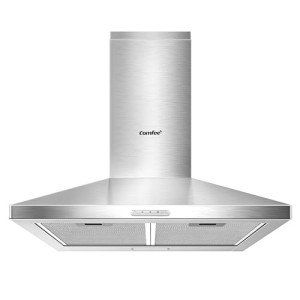
Benefits of Using a Kitchen Extractor Hood
- Improved Air Quality: Extractor hoods get rid of smoke, odorous fumes, and moisture from cooking, boosting the air quality in the kitchen.
- Fire Safety: By eliminating flammable grease and particles, they help in reducing the danger of kitchen fires.
- Increased Comfort: Maintaining a steady room temperature level by getting rid of excess heat created throughout cooking.
- Conservation of Cabinets and Walls: Protects kitchen cabinetry andWall coverings from relentless greasy residue and wetness.
- Boosted Cooking Experience: A well-ventilated kitchen creates a more enjoyable cooking environment.
Kinds Of Kitchen Extractor Hoods
Whether you’re remodeling your kitchen or constructing a new one, you’ll wish to pick the ideal type of extractor hood. Below is a relative table laying out the numerous types:
| Type | Description | Pros | Cons |
|---|---|---|---|
| Wall-Mounted | Mounted to the wall, generally above the stove. | Space-saving, stylish alternatives. | Requires wall installation. |
| Island Hoods | Suspended from the ceiling above a kitchen island. | Outstanding for big kitchens. | Most pricey installation. |
| Under-Cabinet | Fits beneath kitchen cabinets, saving area. | Inexpensive, simple to set up. | Limited venting efficiency. |
| Integrated Hoods | Integrated into cabinets for a smooth appearance. | Visual appeal, discreet. | Can be more intricate to install. |
| Downdraft Hoods | Withdraws down when not in usage; ideal for cooktops in a center island. | Saves area, modern style. | Limited suction power. |
Secret Features to Consider
When picking a kitchen extractor hood, it’s essential to take the following features into account:
- Size & & Fit: Ensure that the hood fits the size of your cooking surface.
- Ducted vs. Ductless: Ducted hoods vent fumes outside, while ductless ones filter and recirculate air.
- Suction Power: Measured in cubic feet per minute (CFM), this figures out how efficiently the hood can pull air.
- Noise Level: Consider the Bels (decibel level) for operation convenience.
- Lighting: Integrated lights can boost exposure while cooking.
- Filters: Aluminum or stainless-steel filters are reusable, whereas charcoal filters need to be changed regularly.
Setup Process
Installing a kitchen extractor hood can be a straightforward process, depending on the type of hood. Here’s a quick summary of what to expect:
- Preparation: Gather tools (screwdrivers, drill, level, and so on) and check out the producer’s directions.
- Mounting Bracket: Secure the mounting bracket to the wall or ceiling.
- Ductwork: For ducted hoods, connect ductwork to vent air outside.
- Electrical Connection: Ensure safe circuitry for the hood’s power supply, if relevant.
- Hood Installation: Attach the hood to the installing bracket and guarantee it is level.
- Testing: After setup, test the fan and light functions to confirm everything works as anticipated.
Maintenance Tips
To extend the life and functionality of your kitchen extractor hood, routine upkeep is vital. Here are essential upkeep pointers:
- Clean the Filters: Wash aluminum or stainless-steel filters regularly in warm, soapy water or run them through the dishwasher.
- Wipe Down Surfaces: Clean the outside with an appropriate cleaner that won’t harm the finish.
- Examine Ducts: Periodically examine and clean ductwork to prevent clogs.
- Lightbulb Replacement: Replace any burnt-out bulbs quickly for ideal lighting.
Often Asked Questions (FAQ)
-
How do I understand what size extractor hood I need?
- The hood ought to be at least as broad as your stove or cooktop and optimally extend 3-6 inches on either side.
-
What’s the perfect CFM for my kitchen?
- As a general standard, you must intend for 100 CFM per linear foot of cooking surface area.
-
How often should I clean my extractor hood?
- Clean the filters month-to-month and the outside every couple of months for optimum performance.
-
Can I set up an extractor hood myself?
- While some setups are straightforward, hiring an expert is advised if electrical work or duct setup is included.
-
What’s the difference between ducted and ductless hoods?
- Ducted hoods vent air outside, while ductless hoods recirculate air through filters back into the kitchen.
A kitchen extractor hood enhances not only the functionality of your cooking area but also contributes to a much healthier environment and visual appeal. By understanding the various types, crucial features, installation processes, and maintenance guidelines, property owners can make educated choices that match their cooking style and space design. Purchasing a quality extractor hood can lead to a more pleasurable cooking experience, transforming the heart of the home into an effective and pleasant space.